What is it, and why does it matter?
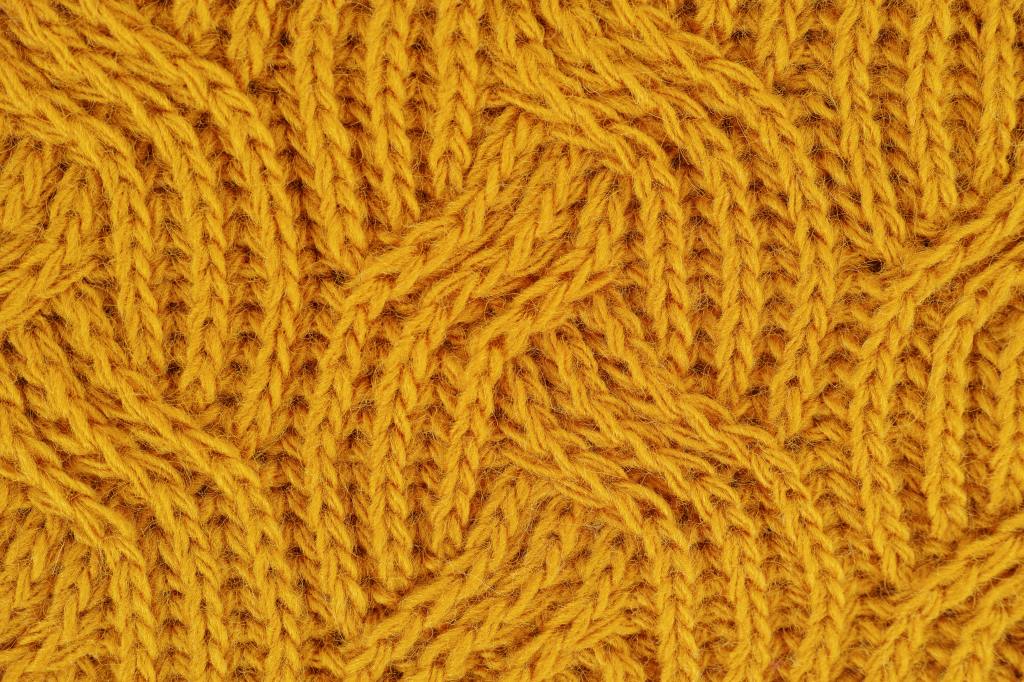
In knitting, stitch definition refers to how clearly and distinctly individual stitches appear in the finished fabric. It describes how well each stitch stands out, showing its shape, texture, and pattern.
Key Factors Influencing Stitch Definition:
- Yarn Type: Smooth, tightly spun yarns (like mercerized cotton or tightly plied wool) tend to have excellent stitch definition, while fuzzy or haloed yarns (like mohair or alpaca) may blur stitch edges.
- Yarn Color: Solid, lighter colors often show stitch patterns better than dark or variegated yarns.
- Stitch Pattern: Complex patterns (like cables or lace) benefit from high stitch definition, while simpler patterns may not require it as much.
- Needle Size: Using needles that match the yarn weight ensures the stitches aren’t too loose or too tight, maintaining clarity.
- Yarn Ply: Multi-plied yarns usually provide better definition compared to single-ply yarns, which can look softer and more rustic.
Why Stitch Definition Matters
- For Textured Patterns: Patterns like cables, ribbing, or intricate lace rely on crisp stitch definition to stand out.
- For Clarity: In some projects, clear stitches make it easier to spot mistakes or follow complex instructions.
- For Aesthetic Appeal: Well-defined stitches can give the finished project a polished, professional look.
If you’re planning a project with intricate textures, cables, or lacework, choosing yarn with good stitch definition is essential!
Check out my Etsy store for a variety of personally curated yarns to add to your collection and inspire your creativity.
All King Cole Yarn 40% Off!
Ends January 30, 2025
 Off The Lamb